Intel has announced that it has created a $300 million fund ‘
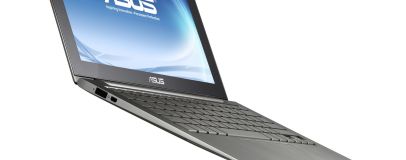
to accelerate the next revolution of personal computing’, namely the ultrabook. This ultra-thin breed of laptop, set to rival the MacBook Air with thinness married to a lower price, is Intel’s focus for the near-future as far as mobile computing is concerned.
Ultrabooks were announced at
Computex 2011 in June of this year, promising high performance via Sandy Bridge processors in a very thin 13-15in laptop that costs under $1,000. Intel’s executive vice president Sean Malony said that ‘
if we do it right, the PC ultrabook will be 40 per cent of the market.’
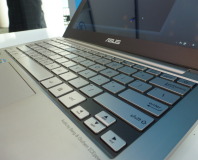
However, despite the obvious appeal of a 15in laptop that weighs the same as a tiny ultraportable and yet doesn’t cost much, there has been little news on the ultrabook front. Asus and Acer are said to have prototypes, but nothing that’s ready to sell.
The newly created fund will ‘
invest in companies building hardware and software technologies focused on enhancing how people interact with Ultrabooks, achieving all-day usage through longer battery life, enabling innovative physical designs and improved storage capacity. The overall goal of the fund, which will be invested over the next 3-4 years, is to create a cycle of innovation and system capabilities for this new and growing category of mobile devices.’
This is an indication that companies have been sceptical about the concept of an ultra-thin laptop that doesn’t sacrifice performance or cost much – the fund is designed to encourage research in the area by at least part-funding it, thus mitigating the risk. However, Intel is still confident of its new flavour of laptop: ‘
This family of products will enable thin, light and beautiful designs that are less than 21mm (0.8 inch) thick, and at mainstream prices. Systems based on these chips will be available for the 2011 winter holiday shopping season.’
This is stage one of the plan, with stage two involving the forthcoming
Ivy Bridge processors to deliver ‘
improved power efficiency, smart visual performance, increased responsiveness and enhanced security.’ Ultrabooks based on Ivy Bridge processors are scheduled for ‘
early 2012’ while we’ll have to wait until 2013 for phase three of the ultrabook strategy, where Intel plans to
take over the world introduce a range of processors codenamed Haswell that are ‘
expected to reduce power consumption to half of the “thermal design point” for today’s microprocessors.’
Excited yet? Here’s a flashy video if not:
If you’re sold on the idea of ultrabooks, or if even that showy video hasn’t convinced you, let us know in
the forum.










Want to comment? Please log in.