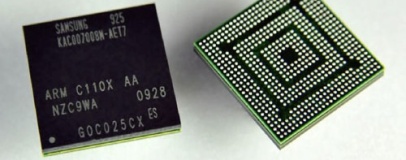
Intel's most recent earnings call may have claimed several platform wins over low-power chip rivals ARM and MIPS, but it looks as though the semiconductor giant has lost ground in at least one area: Google is reportedly planning to develop its Google TV platform for ARM chips, as well as Atom CPUs.
The long-rumoured move has been confirmed by ARM watcher
ARMdevices.net, which cites an anonymous source at Google as confirming that future Google TV implementations will give manufacturers the choice of using Intel or ARM processors.
Current Google TV devices are restricted to using x86 processors, with the vast majority of designs plumping for Intel's Atom CE4100 low-power processor. However, the C4100 is more expensive to produce compared to similar ARM-based chips, and draws significantly more power.
More importantly, however, the use of Intel chips means that OEMs such as Samsung have to order the parts especially, despite having their own ARM licences and producing their own ARM-based processors.
A move to support ARM on Google TV would free the OEMs that produce their own ARM-based processors from having to order chips from a third party, while giving other manufacturers the a choice of processor architecture.
While sales of Google TV products haven't exactly been brisk - and thus don't represent a major profit line for Intel - it's another blow for a company that is finding itself beset on all sides by the ARM architecture, which was originally developed by pioneering British computer manufacturer Acorn for its Archimedes computers.
So far, neither Google nor ARM Holdings have officially confirmed the deal. However, if the rumour is true, then it could contribute to putting the future of Intel's Atom chips into question.
Do you think Intel should be worried about ARM's increasing popularity, or is the chip giant safe for now? Share your thoughts over in the
forums.










Want to comment? Please log in.