Biodegradable, eco-friendly PCs appear to be the big buzzword of 2010 with Acer joining
Dell in designing a product which has a definite shelf life - only Acer's is actually in production.
The company has launched a pair of Aspire laptops - the 3811TZ and 3811TZG - which have received plaudits from Greenpeace for their use of biodegradable plastics along with the removal of polyvinyl chloride and brominated flame retardants from the manufacturing process.
While Acer has been promising to remove PVC and BFRs from its product ranges since 2005 - and had originally set itself a now-passed deadline of 2009 for the completion of the project - these laptops mark its first major breakthrough in theeco-friendly manufacturing stakes. The only part of both laptops to contain the brominated flame retardants - linked to the emission of toxic substances into the environment after disposal - is the power supply, which makes sense from a safety perspective.
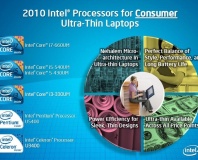
The eco credentials don't stop at the manufacturing process, either: the company claims that both laptops draw up to forty percent less energy than its usual devices while offering the same performance, promising a full eight hours of battery life on a single charge. The energy savings are largely down to the use of Intel's CULV Core 2 Duo processors, although the clock speed and other specifications have yet to be released.
Acer, quoted over on CNET's
Crave Blog, has stated of the move that "
the chemical characteristics of PVC and BFRs may generate toxic substances like dioxins and furans at products' end-of-life, therefore, the reduction of PVC and BFRs in Acer products will help protect our environment from being poisoned by electronic goods." Whether these means that all new Acer devices from now on will be as free from PVC and BFRs as possible remains to be seen.
Is the environment the first thing on your mind when you're shopping for a laptop, or are there more important things to consider? Are you still wondering why the concentration on biodegradable plastics when there is so much non-biodegradable material inside a modern laptop? Share your thoughts over in
the forums.











Want to comment? Please log in.