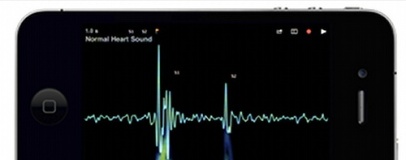
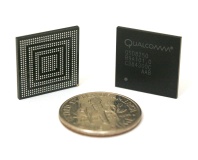
Chipmaker Qualcomm, known for its system-on-chip designs that pack general purpose processing, graphics processing, GPS, 3G, LTE, FM, Bluetooth and more into smartphones and tablets, has announced a new project: to create a real-world Star Trek Tricorder.
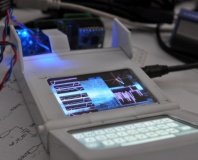
Dubbed the Tricorder X PRIZE - and jointly organised with the X PRIZE Foundation, most famous for its Ansari X PRIZE award of $10 million for the first private suborbital space flight - Qualcomm's idea is to offer up a chunk of cash in the hopes that someone will be able to take the concept of a highly-portable health-monitoring device - the Star Trek Tricorder - and make it a reality.
'
There is a dire need to improve access to healthcare globally and provide consumers with an opportunity to be active participants in their own health,' explained Peter Diamandis, chair and chief executive of the X PRIZE foundation in a joint presentation with Qualcomm chair and chief executive Paul Jacobs at the Consumer Electronics Show this week. '
The Qualcomm Tricorder X PRIZE will incent the creation of technologies that can empower the consumer with the ability to decide when, where and how to seek health information and care.'
With a $10 million top prize, there's certainly incentive for people to participate; and all you have to do to scoop the cash is be the team that most accurately diagnoses a set of 15 diseases across a sample of 30 consumers in three days. Bonus points are awarded for providing the information in a useful manner alongside logging of health metrics including blood pressure, respiratory rate and temperature.
While such a tool would be of great use in the hands of a trained professional, Qualcomm has bigger plans: the Tricorder would, instead, be made available for untrained personnel to self-diagnose ailments. Once an illness is diagnosed, the user can be provided with information on what to do next; whether that's to seek medical attention or simply to drink lots of fluids and go to bed.
'
Health care today certainly falls far short of the vision portrayed in Star Trek. By sponsoring the Qualcomm Tricorder X PRIZE competition, the Qualcomm Foundation will stimulate the imaginations of entrepreneurs, engineers, scientists and doctors to create wireless health services and technologies that improve lives, increase consumer access to healthcare and drive efficiencies in the healthcare system,' Jacobs added. '
This competition will accelerate the development of tools that can empower consumers to take charge of their own bodies and manage their own care.'
More information on the contest is available on the
official website.
Tempted to give it a go, or do you think $10 million could do a lot more good in other areas of healthcare? Share your thoughts over in the forums.









Want to comment? Please log in.