A newly published patent from Apple reveals some interesting developments that will be making their way to the company's MacBook, iPhone, and still-unconfirmed tablet in the near future.
As spotted by Apple-watcher
Patently Apple, the patent -
published by the United States Patents & Trademarks Office yesterday and originally applied for in Q3 2008 - introduces some novel new technologies that may change the way touch devices work in the future.
First up is what the company describes as "
Dual-Function Capacitive Elements." While traditional touchscreens have elements which function as the display and separate elements which function as touch sensors, Apple's latest patent suggest a method of integrating both display and sensor into single elements - potentially reducing the weight and power draw of a device based around the technology.
The second new feature is designed to introduce touch capabilities to the
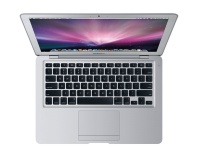
edges of the screen, rather than just directly on the display. By surrounding the display - and in the case of the MacBook, the touchpad as well - with metal strips, Apple plans to extend the touch area outside the main surface. How usable such a system would be is questionable, but the idea is certainly sound - a way of scrolling through a webpage or list without covering the content with your fingers is the next-best thing to transparent fingertips for touchscreen use.
Finally, the patent reveals plans to use in-plane switching - developed by Hitachi in 1996 to improve the viewing angle and colour reproduction of twisted nematic displays - with low-temperature polycrystalline silicon, with the promise that it could improve TFT mobility by up to a hundred times compared to traditional amorphous silicon-based displays.
While there is no official news from Apple on when - or even if - the technologies described in the patent will find their way into the company's products, the fact that the patent has been hanging around since 2008 would indicate that the company has had plenty of time to develop and test its inventions.
Could Apple be on to a winner with its extension of the touchscreen to include the bezel, or is it a gimmick that will never catch on? Share your thoughts over in
the forums.










Want to comment? Please log in.