If you're worried about your collection of flesh-toned pictures going walkabouts, perhaps you'd better invest in a
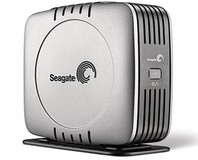
Seagate Momentus 5400 FD.2 hard drive. After all, that's what the government does.
According to
BetaNews, the US government has given the built-in AES encryption system in the Momentus drives its official seal of approval, in the form of
National Security Telecommunications and Information Systems Security Policy #11 certification.
The 256-bit AES encryption on the drive acts transparently to keep data away from prying eyes, and was granted National Institute of Standards certification last year. The NSTISSP certification expounds on NISTs testing, and certifies that the drive is secure enough for storage of secrets by the
No Such Agency.
The built-in encryption on the drive, which requires authentication before the drive will divulge any data and which can be set to automatically zero itself when intrusion attempts are detected, will certainly go some way to ensure that future laptops lost by the government – something
our government doesn't exactly have a good track record regarding – could become less of an issue in future.
That said, if they'd used something like
Gnu Privacy Guard or
TrueCrypt in the first place, they wouldn't have needed a hard drive with built-in cryptography to restore public confidence.
Tempted to snag a government-grade encrypted hard drive, or is nothing you own
that secret? Share your thoughts over in
the forums.












Want to comment? Please log in.