Publisher: Codemasters
Race Driver: GRID is one of the best racing games to grace the PC in some time, striking a fine balance between automotive simulation and arcade throttle-fest which has resulted in an enormously entertaining game. Players can choose from racing tuned saloons through city streets, through to driving Lamborghinis around Le Mans, with all cars displaying a highly detailed damage model.
GRID runs on a modified version of Codemasters' own in house Neon engine, rechristened Ego for
GRID. This will also be the engine used in the highly anticipated
Operation Flashpoint 2: Dragon Rising, so hopefully
GRID will give us a good indication of how hardware will perform in this future title too. Despite only supporting DirectX 9.0c,
GRID features a lot of high level graphical features, including motion blur, fantastic smoke effects, dynamic track side details and thousands of fully 3D spectators.
To test performance in
GRID, we raced a lap of the "
San Francisco Short Circuit" track in the
RADT Nissan Skyline Z-tune, starting from the back of the grid to ensure as many cars on screen for as long as possible. We chose the San Francisco circuit due to the large amount of dynamic track side details like flags and spectators visible from the track, and for the close proximity of track side objects.
However,
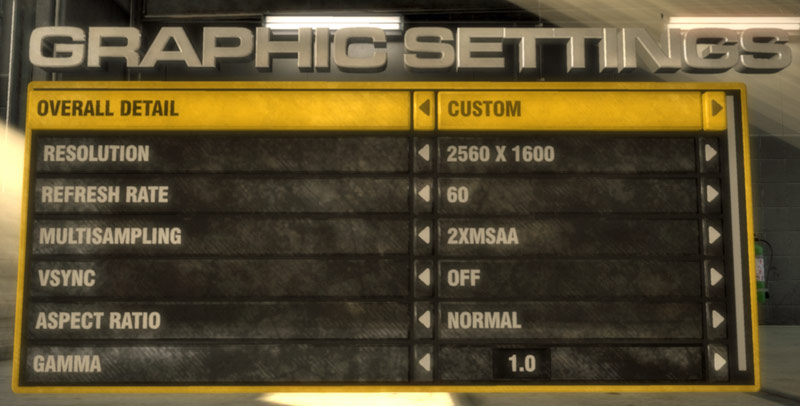
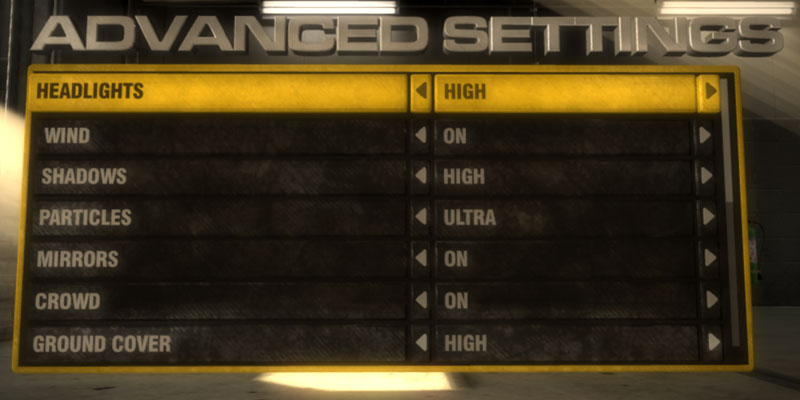
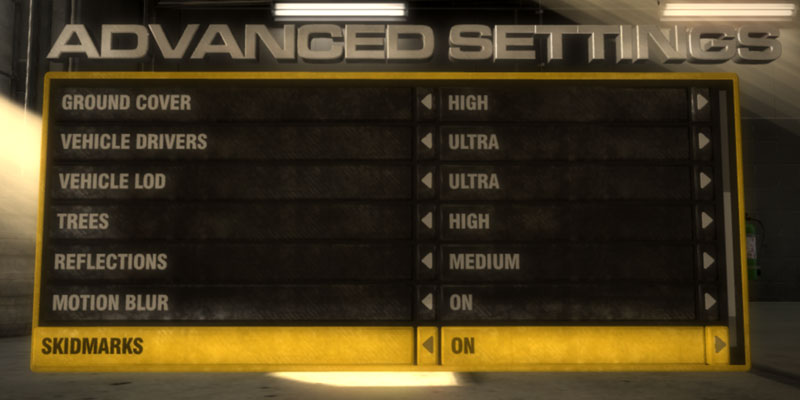
GRID does not support anisotropic filtering in game, so we had to force this to 16x using the Forceware and Catalyst drivers. We captured the average and minimum frame rates during the lap, and the results you see below are indicative of around one minute and forty seconds of gameplay (average lap time) per setting.
-
Nvidia GeForce GTX 295 1,792MB
-
ATI Radeon HD 4870 1GB CrossFire
-
ATI Radeon HD 4870 X2 2GB
-
Nvidia GeForce GTX 280 1GB SLI
-
Nvidia GeForce GTX 260-216 896MB SLI
-
Zotac GeForce GTX 285 1GB AMP!
-
Nvidia GeForce GTX 285 1GB
-
Nvidia GeForce GTX 280 1GB
-
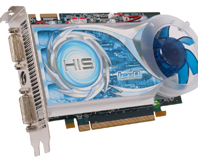
HIS ATI Radeon HD 4870 1GB IceQ4+ Turbo
-
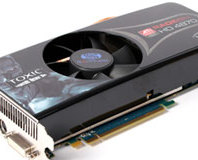
ATI Radeon HD 4870 1GB
-
ATI Radeon HD 4870 512MB
-
Nvidia GeForce GTX 260-216 896MB
Frames Per Second
-
ATI Radeon HD 4870 1GB CrossFire
-
ATI Radeon HD 4870 X2 2GB
-
Nvidia GeForce GTX 295 1,792MB
-
Nvidia GeForce GTX 280 1GB SLI
-
Nvidia GeForce GTX 260-216 896MB SLI
-
Zotac GeForce GTX 285 1GB AMP!
-
Nvidia GeForce GTX 285 1GB
-
HIS ATI Radeon HD 4870 1GB IceQ4+ Turbo
-
Nvidia GeForce GTX 280 1GB
-
ATI Radeon HD 4870 1GB
-
ATI Radeon HD 4870 512MB
-
Nvidia GeForce GTX 260-216 896MB
Frames Per Second
-
ATI Radeon HD 4870 1GB CrossFire
-
ATI Radeon HD 4870 X2 2GB
-
Nvidia GeForce GTX 295 1,792MB
-
Nvidia GeForce GTX 280 1GB SLI
-
Nvidia GeForce GTX 260-216 896MB SLI
-
Zotac GeForce GTX 285 1GB AMP!
-
Nvidia GeForce GTX 285 1GB
-
HIS ATI Radeon HD 4870 1GB IceQ4+ Turbo
-
Nvidia GeForce GTX 280 1GB
-
ATI Radeon HD 4870 1GB
-
ATI Radeon HD 4870 512MB
-
Nvidia GeForce GTX 260-216 896MB
Frames Per Second
-
ATI Radeon HD 4870 1GB CrossFire
-
ATI Radeon HD 4870 X2 2GB
-
Nvidia GeForce GTX 280 1GB SLI
-
Nvidia GeForce GTX 295 1,792MB
-
Nvidia GeForce GTX 260-216 896MB SLI
-
Zotac GeForce GTX 285 1GB AMP!
-
Nvidia GeForce GTX 285 1GB
-
HIS ATI Radeon HD 4870 1GB IceQ4+ Turbo
-
ATI Radeon HD 4870 1GB
-
Nvidia GeForce GTX 280 1GB
-
Nvidia GeForce GTX 260-216 896MB
-
ATI Radeon HD 4870 512MB
Frames Per Second
-
ATI Radeon HD 4870 1GB CrossFire
-
Nvidia GeForce GTX 280 1GB SLI
-
ATI Radeon HD 4870 X2 2GB
-
Nvidia GeForce GTX 295 1,792MB
-
Nvidia GeForce GTX 260-216 896MB SLI
-
Zotac GeForce GTX 285 1GB AMP!
-
Nvidia GeForce GTX 285 1GB
-
Nvidia GeForce GTX 280 1GB
-
HIS ATI Radeon HD 4870 1GB IceQ4+ Turbo
-
ATI Radeon HD 4870 512MB
-
ATI Radeon HD 4870 1GB
-
Nvidia GeForce GTX 260-216 896MB
Frames Per Second
-
Nvidia GeForce GTX 280 1GB SLI
-
ATI Radeon HD 4870 1GB CrossFire
-
ATI Radeon HD 4870 X2 2GB
-
Nvidia GeForce GTX 295 1,792MB
-
Nvidia GeForce GTX 260-216 896MB SLI
-
Zotac GeForce GTX 285 1GB AMP!
-
Nvidia GeForce GTX 285 1GB
-
HIS ATI Radeon HD 4870 1GB IceQ4+ Turbo
-
ATI Radeon HD 4870 1GB
-
Nvidia GeForce GTX 280 1GB
-
Nvidia GeForce GTX 260-216 896MB
-
ATI Radeon HD 4870 512MB
0
10
20
30
40
50
60
70
80
90
Frames Per Second
From past experience,
GRID typically favours the Radeons and it's no different here - the HIS Radeon HD 4870 1GB IceQ4+ Turbo is faster than Nvidia's GeForce GTX 280 1GB and isn't much slower than the GTX 285 in most scenarios. Generally speaking, the GeForce GTX 260-216 is over 25 percent slower with 8xAA applied at 1,680 x 1,050 and 1,920 x 1,200 and 17 percent slower with 4xAA enabled at 1,920 x 1,200. At 1,680 x 1,050 4xAA 16xAF, the performance difference between the two is less than ten percent - that's down to the fact the game is CPU bound on this class of card at those settings.










Want to comment? Please log in.