Publisher: Electronic Arts
What can we say about this game that hasn’t been said already?
Crysis was probably the most anticipated game on the PC last year and was released on November 16th 2007.
Crysis is seen by many as the poster boy for DirectX 10 and it will make your system cry, quite literally – it’s a monster! It doesn’t come as much of a surprise then, that the graphics are something special – they’re above and beyond anything we’ve ever seen in a PC game.
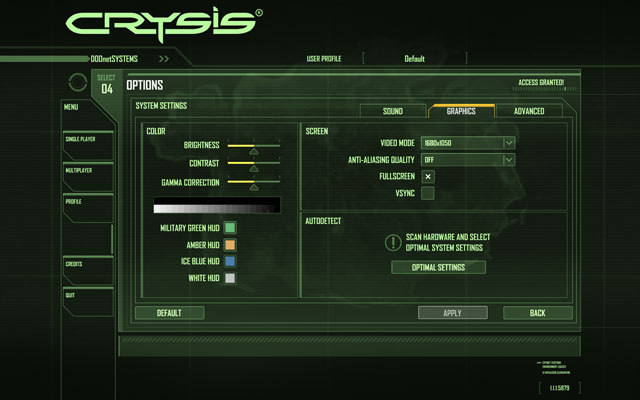
We tested the game using the 64-bit executable under both DirectX 9.0 and DirectX 10 with the 1.21 patch applied. We used a custom timedemo recorded from the Laws of Nature level which is more representative of gameplay than the built-in benchmark that renders things much faster than you're going to experience in game. We found that around 30-33 fps in our custom timedemo was sufficient enough to obtain a playable frame rate through the game. It's a little different to other games in that the low frame rates still appear to be quite smooth.
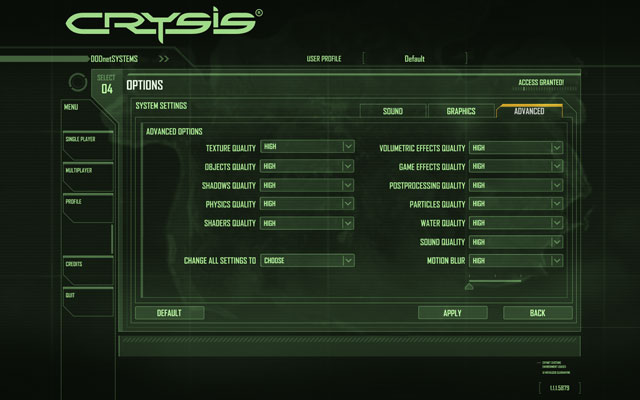
For our testing, we set all quality details to High and forced 8x Anisotropic Filtering in the driver menu as there is currently no support for it in game. We tested at 1280x1024, using 0x, 2x and 4x Anti Aliasing, 1680x1050 using 0x and 4x Anti Aliasing and 1920x1200 using 0x and 2xAA. By extensively testing using Anti Aliasing in very high resolutions, we'll be pushing even the bleeding edge hardware on test to the limit.
-
ATI Radeon HD 4870 X2
-
Nvidia GeForce GTX 280
-
BFG Tech GeForce GTX 260 OCX Maxcore
-
Zotac GeForce GTX 260 AMP!
-
Nvidia GeForce GTX 260
-
ATI Radeon HD 4870
-
Nvidia GeForce 9800 GTX+
-
HIS Radeon HD 4850 IceQ 4 TurboX
-
Powercolor Radeon HD 4850 PCS+
-
ATI Radeon HD 4850
-
ATI Radeon HD 3870 X2
-
Nvidia GeForce 8800 GT
Frames Per Second
-
ATI Radeon HD 4870 X2
-
Nvidia GeForce GTX 280
-
BFG Tech GeForce GTX 260 OCX Maxcore
-
Zotac GeForce GTX 260 AMP!
-
Nvidia GeForce GTX 260
-
ATI Radeon HD 4870
-
HIS Radeon HD 4850 IceQ 4 TurboX
-
Powercolor Radeon HD 4850 PCS+
-
Nvidia GeForce 9800 GTX+
-
ATI Radeon HD 4850
-
ATI Radeon HD 3870 X2
-
Nvidia GeForce 8800 GT
Frames Per Second
-
ATI Radeon HD 4870 X2
-
Nvidia GeForce GTX 280
-
BFG Tech GeForce GTX 260 OCX Maxcore
-
Zotac GeForce GTX 260 AMP!
-
Nvidia GeForce GTX 260
-
ATI Radeon HD 4870
-
HIS Radeon HD 4850 IceQ 4 TurboX
-
Powercolor Radeon HD 4850 PCS+
-
ATI Radeon HD 3870 X2
-
ATI Radeon HD 4850
-
Nvidia GeForce 9800 GTX+
-
Nvidia GeForce 8800 GT
Frames Per Second
-
ATI Radeon HD 4870 X2
-
Nvidia GeForce GTX 280
-
BFG Tech GeForce GTX 260 OCX Maxcore
-
Zotac GeForce GTX 260 AMP!
-
Nvidia GeForce GTX 260
-
ATI Radeon HD 4870
-
Nvidia GeForce 9800 GTX+
-
HIS Radeon HD 4850 IceQ 4 TurboX
-
Powercolor Radeon HD 4850 PCS+
-
ATI Radeon HD 4850
-
ATI Radeon HD 3870 X2
-
Nvidia GeForce 8800 GT
Frames Per Second
-
ATI Radeon HD 4870 X2
-
Nvidia GeForce GTX 280
-
BFG Tech GeForce GTX 260 OCX Maxcore
-
Zotac GeForce GTX 260 AMP!
-
Nvidia GeForce GTX 260
-
ATI Radeon HD 4870
-
HIS Radeon HD 4850 IceQ 4 TurboX
-
Powercolor Radeon HD 4850 PCS+
-
ATI Radeon HD 4850
-
ATI Radeon HD 3870 X2
-
Nvidia GeForce 9800 GTX+
-
Nvidia GeForce 8800 GT
Frames Per Second
-
ATI Radeon HD 4870 X2
-
Nvidia GeForce GTX 280
-
BFG Tech GeForce GTX 260 OCX Maxcore
-
ATI Radeon HD 3870 X2
-
Zotac GeForce GTX 260 AMP!
-
ATI Radeon HD 4870
-
Nvidia GeForce GTX 260
-
HIS Radeon HD 4850 IceQ 4 TurboX
-
Powercolor Radeon HD 4850 PCS+
-
Nvidia GeForce 9800 GTX+
-
ATI Radeon HD 4850
-
Nvidia GeForce 8800 GT
Frames Per Second
-
ATI Radeon HD 4870 X2
-
Nvidia GeForce GTX 280
-
BFG Tech GeForce GTX 260 OCX Maxcore
-
Zotac GeForce GTX 260 AMP!
-
ATI Radeon HD 4870
-
Nvidia GeForce GTX 260
-
HIS Radeon HD 4850 IceQ 4 TurboX
-
Powercolor Radeon HD 4850 PCS+
-
ATI Radeon HD 4850
-
ATI Radeon HD 3870 X2
-
Nvidia GeForce 9800 GTX+
-
Nvidia GeForce 8800 GT
Frames Per Second
The HIS Radeon HD 4850 IceQ 4 TurboX ends up being around five to ten percent faster than the stock-clocked Radeon HD 4850, which falls roughly in line with the factory overclock. That's not a particularly bad performance increase, but you're not likely to notice it massively in the real world. Playability happens at around 1,680 x 1,050 0xAA 8xAF or 1,280 x 1,024 4xAA 8xAF, while you'll need to drop some of the quality settings down on the stock-cooled 4850 to obtain remotely playable frame rates at these settings.
Nvidia's GeForce 9800 GTX+ hits the mark well in
Crysis and it's very competitive with the Radeon HD 4850 - with AA enabled, it's a little slower, but when AA is disabled the 9800 GTX+ is the faster card. It's around six percent faster than the HIS Radeon HD 4850 IceQ 4 TurboX and 13 percent faster than the stock 4850.









Want to comment? Please log in.