Publisher: Activision
Call of Duty 4: Modern Warfare is different to all previous
Call of Duty games, as it moves the action out of the World War II era and into the modern day. We have used the full version of the game with the 1.6 patch applied.
The game runs on a proprietary engine, which includes features like true world dynamic lighting, HDR lighting, dynamic shadowing and depth of field. Unlike most triple-A games that were launched late in 2007,
Call of Duty 4: Modern Warfare only uses a DirectX 9.0 renderer and, given the realistic nature of the graphics, it proves that there's still life left in the old dog!
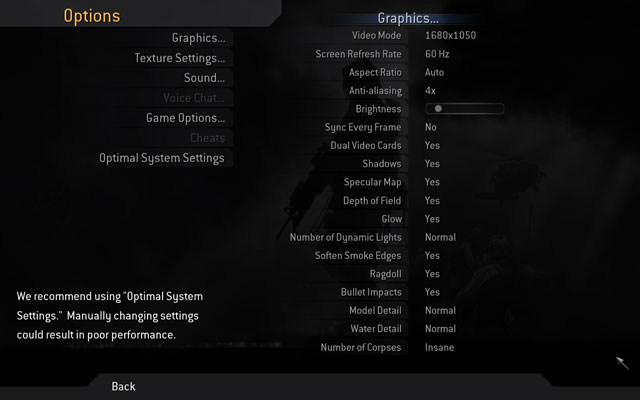
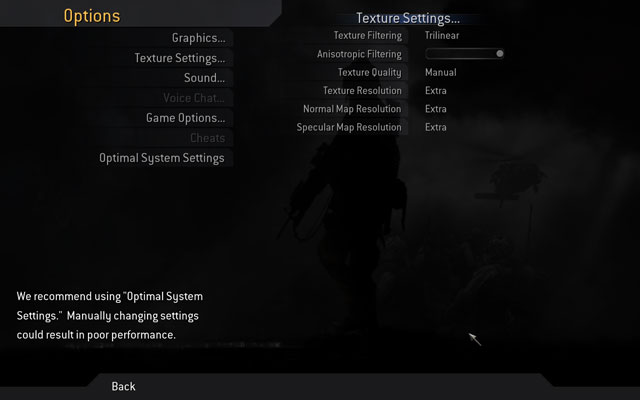
For our gameplay testing, we did a 90 second manual run through in the second mission of the game. All of the in-game settings were set to their maximum values, including texture details which were configured to 'Extra'. The 'Dual Video Cards' option was enabled for the multi-GPU configurations, but was disabled for all single GPU cards.
Finally, anti-aliasing and anisotropic filtering were controlled from inside the game.
-
ATI Radeon HD 4870 X2
-
ATI Radeon HD 4870
-
Nvidia GeForce GTX 280
-
Nvidia GeForce GTX 260
-
Powercolor Radeon HD 4850 PCS+
-
Nvidia GeForce 9800 GTX+
-
ATI Radeon HD 4850
-
ATI Radeon HD 3870 X2
-
Nvidia GeForce 8800 GT
Frames Per Second
-
ATI Radeon HD 4870 X2
-
ATI Radeon HD 4870
-
Nvidia GeForce GTX 280
-
ATI Radeon HD 3870 X2
-
Powercolor Radeon HD 4850 PCS+
-
ATI Radeon HD 4850
-
Nvidia GeForce GTX 260
-
Nvidia GeForce 9800 GTX+
-
Nvidia GeForce 8800 GT
Frames Per Second
-
ATI Radeon HD 4870 X2
-
Nvidia GeForce GTX 280
-
ATI Radeon HD 4870
-
Nvidia GeForce GTX 260
-
Powercolor Radeon HD 4850 PCS+
-
ATI Radeon HD 4850
-
ATI Radeon HD 3870 X2
-
Nvidia GeForce 9800 GTX+
-
Nvidia GeForce 8800 GT
Frames Per Second
-
ATI Radeon HD 4870 X2
-
ATI Radeon HD 4870
-
Nvidia GeForce GTX 280
-
ATI Radeon HD 3870 X2
-
Nvidia GeForce GTX 260
-
Powercolor Radeon HD 4850 PCS+
-
ATI Radeon HD 4850
-
Nvidia GeForce 9800 GTX+
-
Nvidia GeForce 8800 GT
Frames Per Second
-
ATI Radeon HD 4870 X2
-
Nvidia GeForce GTX 280
-
ATI Radeon HD 4870
-
Nvidia GeForce GTX 260
-
Powercolor Radeon HD 4850 PCS+
-
ATI Radeon HD 3870 X2
-
Nvidia GeForce 9800 GTX+
-
ATI Radeon HD 4850
-
Nvidia GeForce 8800 GT
0
10
20
30
40
50
60
70
80
Frames Per Second
-
ATI Radeon HD 4870 X2
-
Nvidia GeForce GTX 280
-
ATI Radeon HD 4870
-
Nvidia GeForce GTX 260
-
Powercolor Radeon HD 4850 PCS+
-
ATI Radeon HD 4850
-
Nvidia GeForce 9800 GTX+
-
ATI Radeon HD 3870 X2
-
Nvidia GeForce 8800 GT
Frames Per Second
Again we see a slight re-shuffle of the results table thanks to the upated drivers we're now using, with the 4870 seeing a performance boost that means it now out performs the GTX 280 in the majority of our tests, with Nvidia's monster card only pulling ahead when anti aliasing is enabled at higher resolutions.
The Powercolor Radeon HD 4850 PCS+ performed exactly as expected, with the higher clock speed delivering a performance advantage of a few frames per second in every test over the stock clocked 4850.










Want to comment? Please log in.